What Is a Japan Play Guide? Major Ticket Sellers for Visitors

Key Takeaways
- A Japan play guide (purei gaido, プレイガイド) is an authorised ticket seller that works with event organisers to sell, issue and manage tickets.
- The four major Japanese play guides are Ticket PIA, e+, Lawson Ticket and Rakuten Ticket. A single event may use several sellers.
- Event organisers decide ticket prices, sale stages and conditions. Each play guide manages its own applications and adds its own fees.
- Ticket PIA, e+ and Lawson Ticket publish English-language pages. Selected events also offer official ticket sales for overseas residents.
- All Japanese ticket sales use Japan Standard Time (JST, UTC+9). Neither a play guide nor a ticket concierge can guarantee a ticket or a particular seat.
Major concerts in Japan often sell tickets through authorised sellers. Understanding these companies makes the ticket-buying process much easier, especially for international visitors.
This Japan play guide explains the main Japanese ticket sellers, how their services differ and why one event may use several platforms. It also covers English-language pages, overseas ticket sales, payment methods and ticket collection.
You can apply through official channels in Japanese, English or other supported languages, depending on the event. All sales follow Japan Standard Time (JST). If you need assistance, you can request ticket concierge support. Our Tokyo team will explain the available options and confirm exactly what you will receive before any payment.
Play guides play an important role in Japan’s event industry. You will find them on sales pages for almost all major music events in Japan that attract international audiences.
This guide explains the Japan play guide system in English. It also introduces the Japanese terms that frequently appear on official ticket pages.
What Does Play Guide Mean in the Japanese Ticketing Industry?
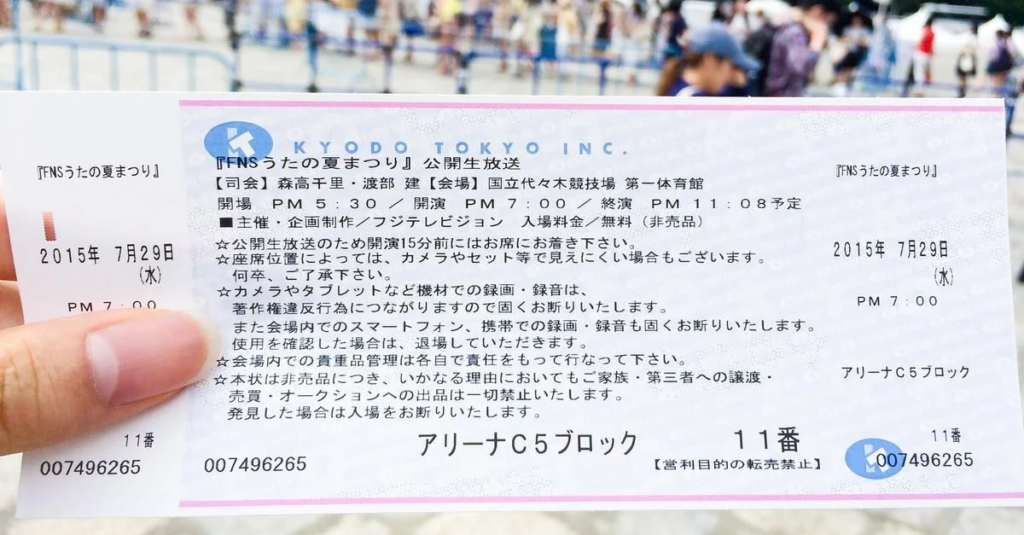
A play guide (purei gaido, プレイガイド) is an authorised ticket seller that an event organiser contracts to handle ticket sales, issuing and management.
The organiser (shusai, 主催) owns the event and controls its ticketing arrangements. It decides the prices, sale stages, seat categories and participating sellers. The play guide then manages the sales process according to those instructions.
Different organisations can organise events in Japan. For example, promoters, broadcasters and artist management agencies (jimusho, 事務所) often organise major concerts. Meanwhile, sports leagues, clubs and governing bodies manage sporting events.
Regardless of the organiser, the play guide provides the main platform where customers apply for or purchase tickets.
What Does a Japanese Play Guide Do?
A play guide performs five main functions:
- Publishes ticket information: It displays the event details, sale dates, seat categories and prices supplied by the organiser.
- Manages applications: It operates the purchase system, including presale lotteries and general sales.
- Processes payments: It accepts supported payment methods, such as credit cards and convenience-store payments.
- Issues tickets: It provides paper tickets, delivered tickets or digital tickets, depending on the event.
- Collects service fees: It adds applicable charges and publishes the relevant fees on its official website.
What Does a Play Guide Not Decide?
A play guide does not independently decide the event’s ticket allocation or seating policy. Instead, the organiser sets those conditions and communicates them through the official sales page.
For example, an organiser may reserve certain seats for fan club members, overseas visitors or general-sale customers. The play guide follows those instructions.
For explanations of common Japanese ticketing expressions, see our guide to Japanese ticket terms.
Who Are the Major Japanese Ticket Sellers?
The four major Japanese ticket sellers are Ticket PIA, e+, Lawson Ticket and Rakuten Ticket. Each operates as a play guide, although their websites, payment arrangements and collection services differ.
An event organiser may work with one seller or several sellers at the same time.
| Play guide | Japanese name | Operator | Main features |
|---|---|---|---|
| Ticket PIA | チケットぴあ | PIA Corporation | English-language pages and published fee information |
| e+ | イープラス | eplus Inc. | English pages and selected overseas-resident sales |
| Lawson Ticket | ローソンチケット | Lawson Entertainment | Lawson convenience-store collection and English Loppi instructions |
| Rakuten Ticket | 楽天チケット | Rakuten | Online ticket sales for selected events |
1. Ticket PIA
<underline>Official website:</underline> Ticket PIA
Ticket PIA (チケットぴあ) is one of Japan’s established ticket sellers. PIA Corporation operates the platform and publishes English-language information for international users.
The platform handles tickets for concerts, theatre performances, sporting events and other entertainment.
Ticket PIA also publishes its additional charges on its official website. According to its official charges page, the listed fees include:
- System usage fee: ¥330 per ticket.
- Ticket issuance fee: ¥165 per ticket.
- Payment fee: ¥330 per order for specified convenience-store and econtext payments.
- Credit card payment fee: No payment fee on the listed charge schedule.
- Special sales and delivery fees: These vary by performance.
These figures provide an example of Ticket PIA’s fee structure. However, customers should always check the latest charges and the specific event’s conditions before applying.
2. e+ (eplus Japan)
<underline>Official website:</underline> e+
e+ (イープラス), commonly called eplus Japan, is operated by eplus Inc. It provides ticket sales for concerts, festivals, theatre and other entertainment events.
The platform also publishes English-language pages. More importantly, selected events offer dedicated pages titled “Ticket sales for overseas residents.”
These pages help people living outside Japan access eligible performances through official sales channels.
For example, concert promoter SMASH explains on its official English guidance page that e+ provides English and Chinese language services for selected performances. However, these services do not cover every event.
Therefore, check the individual performance page before applying. It will explain whether overseas residents can use the available English-language service.
3. Lawson Ticket
<underline>Official website:</underline> Lawson Ticket
Lawson Ticket (ローソンチケット) is operated by Lawson Entertainment. Its close connection with Lawson convenience stores makes it particularly useful for customers who need to collect paper tickets in Japan.
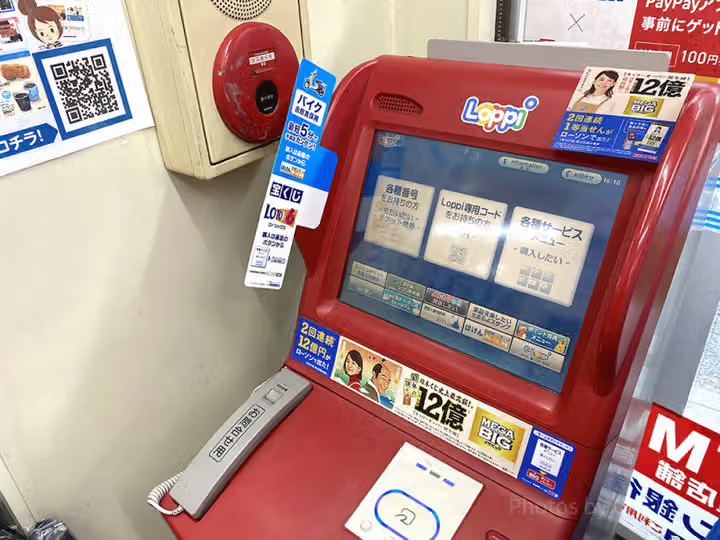
One important feature is the Loppi terminal. This multifunction machine allows customers to complete certain ticket-related procedures at Lawson stores.
For example, customers who reserve eligible paper tickets online may use Loppi to complete collection.
However, the machine itself operates in Japanese. Lawson provides an English Loppi guide to help international visitors follow the steps.
Before choosing this collection method, check the ticket’s collection period and the instructions on the relevant sales page.
4. Rakuten Ticket
<underline>Official website:</underline> Rakuten Ticket
Rakuten Ticket (楽天チケット) is another major Japanese ticket seller.
Like the other play guides, it manages ticket sales according to the organiser’s instructions. Its pages display event information, available ticket categories, sale periods and payment conditions.
Language support and overseas arrangements vary by event. Therefore, international visitors should check the individual sales page rather than assume every event offers English-language applications.
Why Does One Event Sell Through Several Play Guides?
An event organiser may contract several play guides to reach different customer groups and manage separate ticket sales.
Consequently, one concert tour may have a Ticket PIA presale, an e+ lottery and a Lawson Ticket round. Each seller manages its own application period, results and payment deadlines.
This arrangement is common for major Japanese concerts. Therefore, international visitors following Japan concert tickets should pay attention to the seller named for each round.
How Japanese Ticket Sale Rounds Work
Most major Japanese concerts follow a sequence of sales stages. However, the exact order depends on the organiser and event.
A typical sequence looks like this:
- Fan club presale: Eligible members of an artist’s official fan club apply first.
- Play guide presales: Ticket PIA, e+ and Lawson Ticket may open separate application rounds.
- General sale: The organiser opens tickets to the wider public.
- Additional releases: Some organisers release extra tickets or additional seat categories later.
Our guide to the Japan fan club presale explains the first stage in more detail.
Each round has its own application window and conditions. For lottery sales, the application period also differs from the result announcement and payment deadline.
Why Do Play Guide Fees Differ?
Each play guide sets and publishes its own service charges. Fees can also vary according to the event, ticket format and payment method.
Ticket PIA’s published charges provide one example. However, customers should not assume that e+, Lawson Ticket or Rakuten Ticket use the same rates.
Additionally, the Ask Japan Tickets concierge service charges separately for its assistance. These service fees do not form part of the play guide’s official ticket charges.
How to Read an Organiser’s Announcement
Always start with the organiser’s official announcement. It identifies the participating play guides and explains the sale schedule.
Next, create a list of the application windows, result dates and payment deadlines. This approach helps prevent missed opportunities when several sellers run different rounds.
Remember that Japan uses JST (UTC+9) throughout the year. For example, 10:00 JST corresponds to 01:00 UTC.
London sits nine hours behind Japan during winter and eight hours behind during British Summer Time. Therefore, always convert the published time to your local time zone before planning an application.
English-Language Play Guides and Overseas Ticket Sales
International visitors do not always need to navigate Japanese-only ticket websites.
Ticket PIA, e+ and Lawson Ticket publish English-language pages. Furthermore, selected events provide dedicated official ticket sales for overseas residents.
However, the Japan play guide system for foreigners is not one single English-language platform. Instead, international customers must follow the seller and sales arrangements that each organiser chooses.
For example, Fuji Rock Festival lists ticket outlets and purchasing information on its official ticket page. Some ticket categories may require customers to use specific outlets.
Official Ticket Sales for Overseas Residents
Some organisers and play guides provide dedicated overseas sales.
These arrangements may include:
- English-language application instructions.
- International payment options.
- QR-code or digital tickets.
- Dedicated sales pages for overseas residents.
- Specific application conditions for international customers.
Festivals, anime-music events and international concert tours may offer these options.
However, overseas allocations can remain limited. Some events also open international sales later than domestic presales.
Our guide to overseas ticket sales in Japan explains how these arrangements work.
What Do English-Language Pages Cover?
English-language pages explain important steps such as applications, payment and ticket collection.
However, some procedures still take place in Japan. For instance, a customer may need to visit a convenience store to collect a paper ticket.
Therefore, always check the ticket format and collection instructions before completing your application.
This information matters particularly for visitors planning an entire trip around a concert. Collection periods, venue entry times and event dates can all affect travel arrangements.
For more guidance, read our article on how to buy Japan event tickets from overseas.
What Happens When an Event Has No Overseas Sale?
Not every Japanese event offers a dedicated overseas ticket sale.
In that situation, customers must follow the standard sales arrangements. These may involve Japanese-language pages, local payment methods and domestic ticket collection.
The organiser’s announcement explains which options exist.
If you need help with these procedures, Ask Japan Tickets can explain the available assistance and confirm the service details before payment.
How Do Ticket Fees, Payments and Collection Work?
Ticket prices start with the face value that the organiser sets. The play guide then adds its applicable service and handling charges.
For event tickets in Japan, common payment methods include credit cards and convenience-store payments (konbini, コンビニ).
When customers select convenience-store payment, the system provides a payment reference or instructions. They must complete payment at the designated store before the stated deadline.
International visitors planning to buy Japan event tickets from overseas should check the accepted payment methods before applying.
The Three Main Japanese Ticket Formats
Japanese play guides generally offer three ticket formats.
1. Paper Tickets Collected at Convenience Stores
Paper tickets may require customers to complete collection (hakken, 発券) at a designated convenience store.
For example, Lawson uses Loppi terminals for eligible reservations. Customers must follow the collection instructions and complete the process within the specified period.
2. Delivered Paper Tickets
Some organisers and sellers arrange delivery through postal or courier services.
These tickets may require a Japanese delivery address. Therefore, overseas visitors should confirm whether the seller can deliver to their hotel or accommodation before choosing this option.
3. Digital Tickets
Digital tickets (denshi chiketto, 電子チケット) appear on a smartphone or within a designated ticketing application.
Customers should check the required app, device compatibility and identity verification conditions before applying.
On event day, keep your phone charged and make sure you can access the ticket. Some venues also require an internet connection during entry.
Common Ticket Status Labels
Japanese sales pages use several expressions to describe ticket availability.
| Japanese term | Romanisation | English meaning |
|---|---|---|
| 予定枚数終了 | Yotei maisū shūryō | Planned allocation reached |
| 残りわずか | Nokori wazuka | Few tickets remaining |
| 受付中 | Uketsuke-chū | Applications open |
| 受付終了 | Uketsuke shūryō | Applications closed |
| 抽選 | Chūsen | Lottery |
| 一般発売 | Ippan hatsubai | General sale |
These labels help customers understand the status of each sales round.
However, a closed allocation on one play guide does not always mean the entire event has sold out. Another seller or a later sales stage may still have tickets.
How Does a Local Ticket Concierge Work With Japanese Play Guides?
A local ticket concierge helps international visitors navigate official Japanese ticketing procedures.
The concierge works alongside the authorised play guides. It does not replace them or change the organiser’s rules.
For example, a local team can monitor Japanese-language announcements, follow application schedules, explain payment procedures and assist with ticket collection.
This support can be useful for international visitors who cannot easily complete certain procedures from overseas.
What Does Ask Japan Tickets Confirm Before Payment?
The Ask Japan Tickets team explains the service arrangements before accepting payment.
Depending on the event and requested service, the team confirms:
- The ticket type and available sales route.
- How and where the customer will receive the ticket.
- Whether the event requires digital or paper tickets.
- Any identity checks or entry conditions.
- The applicable service fees.
However, organisers and lottery results determine ticket availability. Therefore, Ask Japan Tickets cannot guarantee a ticket, a successful lottery result or a particular seat.
Quotes also vary according to the event and the assistance required.
When Do You Need a Ticket Concierge?
You may not need a concierge when an event provides a straightforward official overseas sale.
In that case, you can apply directly through the organiser’s chosen platform.
However, local assistance may prove useful when an event requires Japanese-language applications, local payment or domestic ticket collection.
A concierge can also help visitors who want someone to follow several sales rounds and deadlines.
Japan Play Guide Tips for First-Time Overseas Fans
First-time visitors can make the ticketing process easier by following a few practical habits.
Start with the organiser’s announcement, identify every participating play guide and record the application deadlines. Then check the payment and collection conditions before applying.
Practical Japan Play Guide Tips
- Start with the organiser’s announcement. Confirm the event dates, participating sellers and application conditions.
- Visit each official play guide. Check the fees, payment methods and ticket formats.
- Track every sale separately. Each presale and general sale has its own application window.
- Convert all times to your local time zone. Keep the original JST time beside your converted time.
- Check payment deadlines. A successful lottery result may require payment within a short period.
- Keep travel arrangements flexible. Avoid non-refundable bookings until your ticket is confirmed and issued.
- Use official resale channels. If your plans change, check whether the organiser permits official ticket resale.
Japan Play Guide Checklist
Use this checklist when preparing for a Japanese concert or event.
- Confirm the organiser, venue and event dates.
- Identify every play guide participating in the sale.
- Record each application opening and closing time in JST.
- Convert the dates and times to your local time zone.
- Check each seller’s service fees.
- Confirm the available payment methods.
- Identify whether the event uses paper or digital tickets.
- Check whether an official overseas sale exists.
- Review the collection and entry conditions.
- Keep your travel bookings flexible until you secure your ticket.
How Ask Japan Tickets Can Help With Japanese Play Guides
Ask Japan Tickets supports international visitors who want help navigating Japan’s play guide system.
Our Tokyo team follows official sales stages and explains the available services before payment. Five service areas can help simplify the process.
1. Event and Application Alerts
We monitor relevant event announcements and sales schedules. This helps customers keep track of application openings and important deadlines across different time zones.
2. Lottery and Application Assistance
Our team helps customers navigate Japanese application procedures and submit requests for the rounds they choose.
However, the organiser and lottery results determine the outcome.
3. Local Payment Assistance
Some ticketing procedures require payment in Japan. Our team explains the available local payment arrangements and the applicable service conditions.
4. Ticket Receipt in Japan
For eligible services, our team can receive physical tickets in Japan, check them and arrange safe holding until the customer’s arrival.
5. Convenience Store Collection Guidance
Some Japanese play guides require customers to collect tickets through convenience-store terminals.
We explain the relevant procedures step by step, including the instructions for eligible Lawson Loppi collections.
Before any payment, the team confirms the ticket format, collection arrangements and applicable entry conditions.
For more information, visit the Ask Japan Tickets FAQs.
Conclusion: Understanding Japan’s Play Guide System
The Japan play guide system becomes easier to understand once you know the role of each authorised seller.
Ticket PIA, e+, Lawson Ticket and Rakuten Ticket are the four major platforms. Event organisers may use several sellers for different presales and general-sale rounds.
Each platform has its own fees, payment arrangements and ticket collection procedures. Meanwhile, selected events provide English-language pages and dedicated sales for overseas residents.
By checking official announcements, tracking deadlines and understanding the ticket format, international visitors can prepare more confidently.
Need help navigating Japanese ticket sales? Contact Ask Japan Tickets and our Tokyo team will explain the available options and confirm exactly what you will receive before any payment.
Frequently Asked Questions About Japan Play Guides

What Is a Play Guide in Japan?
A play guide (purei gaido, プレイガイド) is an authorised ticket seller that works with event organisers to sell, issue and manage tickets. The four major platforms are Ticket PIA, e+, Lawson Ticket and Rakuten Ticket. Each seller follows the organiser’s conditions and adds its applicable fees.
Why Does One Japanese Concert Sell Tickets Through Several Play Guides?
An organiser may work with several authorised sellers for the same event. Each seller then manages its own presale or general-sale round. Consequently, one concert may have separate Ticket PIA, e+ and Lawson Ticket application periods, each with different deadlines.
Do Japanese Play Guides Have English Websites?
Yes. Ticket PIA, e+ and Lawson Ticket publish English-language information. However, the available services differ by event. Some organisers also provide dedicated overseas-resident ticket sales through selected platforms.
Do Japanese Play Guides Charge Additional Fees?
Yes. Play guides may add system usage, issuance, payment, delivery or special sales fees. The amounts vary by seller and event. Ticket PIA publishes its fee schedule on its official website, while other sellers provide their own applicable charges.
Can Overseas Visitors Buy Japanese Concert Tickets?
Yes, for events that accept overseas applications. Some organisers provide English-language sales pages and international payment options. However, other events require domestic procedures. Always check the organiser’s official announcement before applying.
Do I Need a Concierge to Buy Tickets in Japan?
No. You can purchase tickets directly through official sales channels when you meet their requirements. However, a concierge can help with Japanese-language applications, local payment procedures and ticket collection.
Can a Ticket Concierge Guarantee a Japanese Concert Ticket?
No. The organiser controls ticket allocations, and lottery results determine successful applications for lottery-based sales. A concierge can assist with the official process but cannot guarantee a ticket or a particular seat.
What Is Loppi at Lawson?
Loppi is a multifunction terminal available at Lawson convenience stores. Customers can use it for certain ticket-related procedures, including collecting eligible paper tickets. Lawson also publishes an English guide to help international visitors understand the process.
What Time Do Japanese Ticket Sales Open?
Japanese ticket sales follow Japan Standard Time (JST, UTC+9). Always check the official opening time and convert it to your local time zone. Remember that daylight saving time may affect the difference between Japan and your country.
What Happens If One Play Guide Shows Sold Out?
A sold-out allocation on one platform does not necessarily mean every ticket for the event has gone. Another play guide may have a separate allocation, or the organiser may announce another sales round. Check the official event announcement for further opportunities.