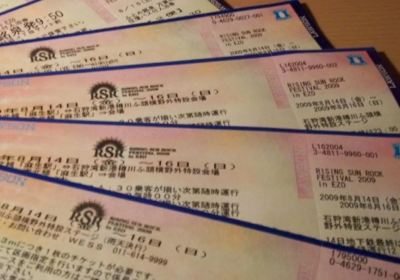
Japanese Concert Seat Types Explained: Arena, Stand and Standing
Key Takeaway
- The main Japanese concert seat types include arena seats, stand seats, standing areas, annotated reserved seats and premium or VIP seats.
- Arena layouts change between events. Always check the organiser’s seating chart for the specific show.
- At live houses and other standing venues, an entry number (整理番号, seiri bangō) determines the order of admission.
- Organisers describe partial-view seats and restricted-view reserved seats on the sales page. They often release these seats after the main sales stages.
- The organiser’s system generally assigns seat positions. Your ticket and the official event page provide the final confirmation.
Japanese ticket sales pages use a compact vocabulary to describe concert seats. Learning these terms helps you understand the venue before applying for a ticket.
This Japanese concert seat types guide explains the main categories for international readers. It covers arena, stand and balcony seating at large venues, standing areas at live houses, annotated seats and premium packages.
Japanese ticket applications usually follow official channels. Sales pages also use Japanese and Japan Standard Time (JST). If you need help at any stage, you can request ticket concierge assistance. Our Tokyo team will explain the application route and confirm exactly what you will receive before any payment.
These categories appear across many music events in Japan that attract international audiences. They also form an important part of the country’s ticketing system. This guide explains Japanese concert seat types in English while introducing the Japanese terms used on official sales pages.
What Are the Main Japanese Concert Seat Types at Domes and Arenas?
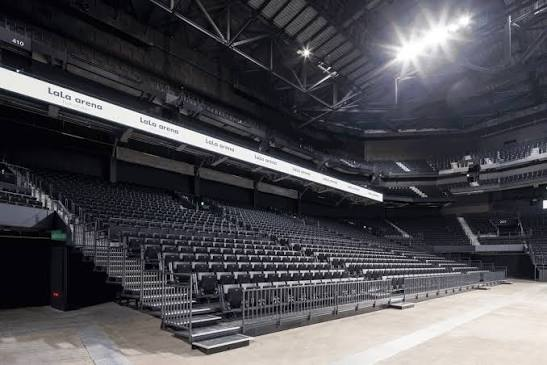
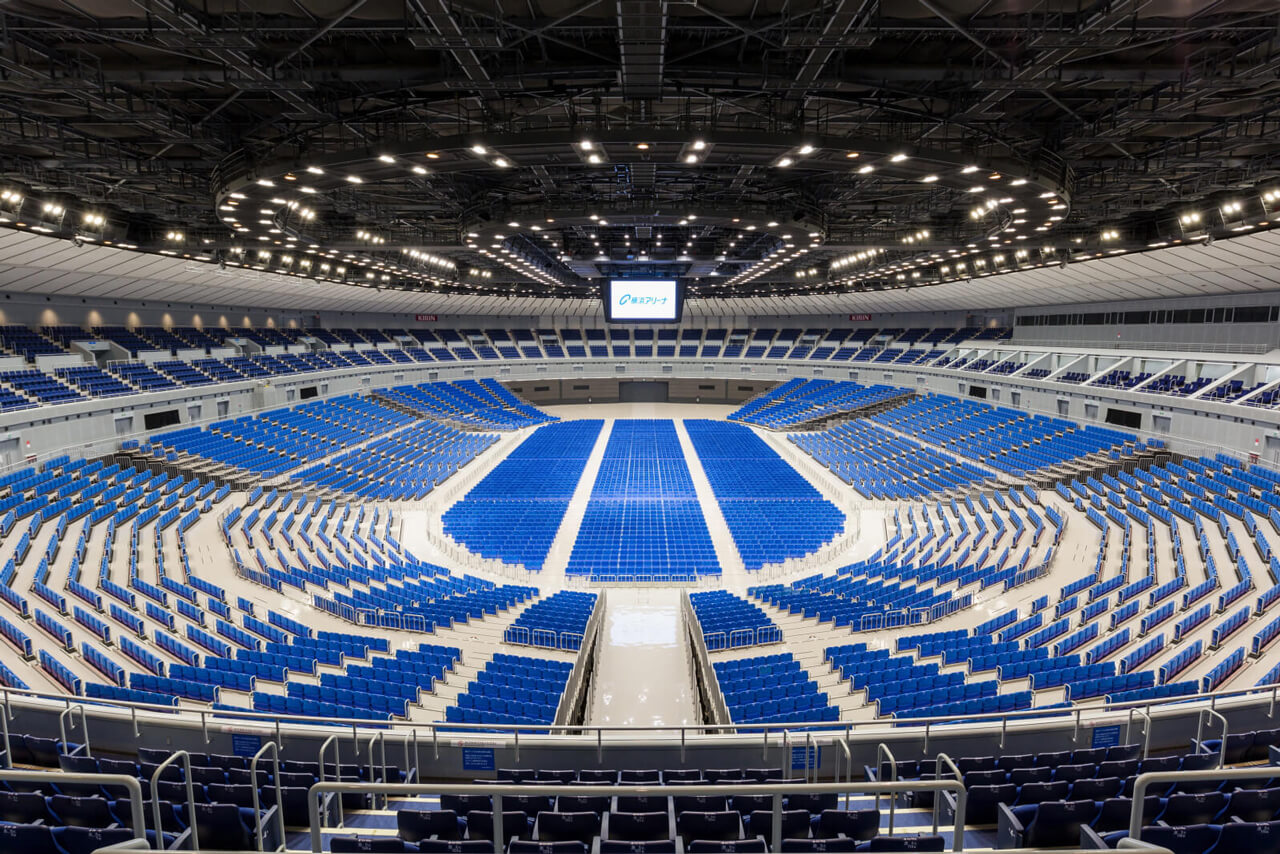
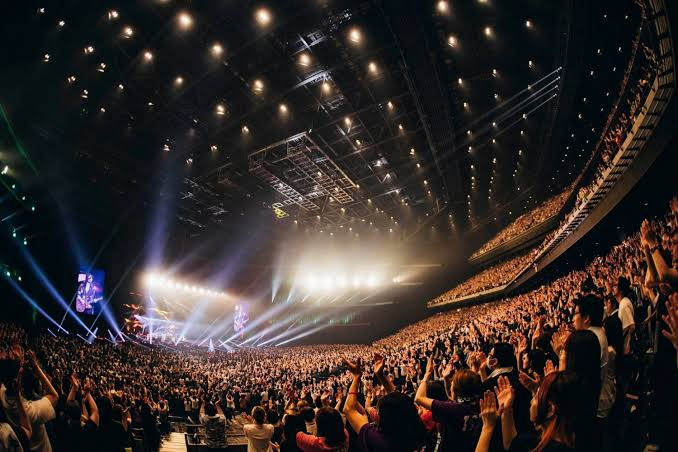
Large concert venues usually offer arena seats on the floor and stand seats in the surrounding tiers. Some venues also have balcony or upper-level seating. Organisers generally sell these categories as reserved seats (指定席, shitei-seki).
Major dome venues include Tokyo Dome, Kyocera Dome Osaka, Vantelin Dome Nagoya, Mizuho PayPay Dome Fukuoka and Belluna Dome. Popular arena venues include Saitama Super Arena, K-Arena Yokohama and Ariake Arena.
Each venue has its own layout. In addition, every concert organiser decides how to divide the seating areas and name the ticket categories.
Arena Seats
An arena seat on a Japanese concert sales page refers to a seat on the venue floor. These seats usually sit in front of or around the stage.
However, arena layouts change from show to show. The stage design and production team determine how the organiser divides the floor.
Tokyo Dome’s official FAQ explains that arena seating varies by event. Therefore, the venue does not publish one fixed arena seating chart for every concert. Always check the organiser’s seating chart for your specific tour.
Stand Seats
A stand seat refers to a seat in the tiered sections around the arena floor. These sections often include lower and upper levels.
The sales page may identify the block, row and seat number. Stand seats usually provide a wider view of the stage and the audience. However, the actual view depends on the stage design and the seat’s position.
Balcony and Upper Levels
Some venues offer balcony seats or additional upper-level sections. The organiser lists these areas in the ticket categories.
You may also see seated reserved seats (着席指定席, chakuseki shitei-seki). This category requires the audience to remain seated during the performance. Always read the category description to understand its conditions.
Reading a Reserved Seat
A reserved-seat ticket usually identifies a seat through a block, row and number. The venue’s seating chart helps you understand where each section sits.
However, the organiser’s system generally assigns the exact seat. You may not see its location until ticket issuance. For that reason, treat the category as confirmed information and wait for the ticket to reveal the exact position.
How Organisers Name Seat Categories
Organisers often use letters to distinguish ticket categories. For example, one Japanese arena tour announcement lists VIP, SS, S and A seats.
The promoter gives the following tax-inclusive prices:
- VIP seat: ¥65,000
- SS seat: ¥35,000
- S seat: ¥22,000
- A seat: ¥18,000
The announcement also states that all four categories are reserved seats. However, these labels belong to that particular organiser. An S seat at another concert may offer a different location or experience.
You can see this example in the promoter’s ticket announcement.
How Do Standing Areas and Numbered Entry Work at Live Houses?
Standing areas (立見, tachimi) do not provide individual seats. Instead, the organiser assigns an entry number (整理番号, seiri bangō) to each ticket.
Venue staff call ticket holders in number groups. Your entry number determines when you enter, which can influence where you stand inside the venue.
A standing ticket therefore works differently from a reserved-seat ticket. The number controls admission order rather than identifying a seat.
Live houses (ライブハウス, raibu hausu) are smaller music venues. Many accommodate a few hundred standing fans. Some also charge a drink fee (ドリンク代, dorinku-dai) at the entrance. The venue usually collects this fee in cash and gives you a drink token.
A Mixed Layout Example
One e+ trade page for a live-house festival shows several ticket categories within the same event. These include:
- Arena standing with an entry number
- Second-floor rear standing with a designated position
- Reserved seats
- Seated reserved seats
The page explains that second-floor standing tickets have designated positions. Therefore, an earlier entry number does not provide a better viewing position in that area.
The page also states that seated reserved ticket holders must remain seated. It lists a two-day ticket at ¥16,400 and a one-day ticket at ¥9,200, including tax. Each person can purchase up to four tickets.
Read the event’s e+ trade page for the example and its conditions.
Age Rules
Age restrictions vary by event and seating area. The same e+ page provides a useful example.
It states that elementary school students and older need tickets. Preschool children (未就学児, mishūgakuji) cannot enter the standing areas. However, the reserved-seat areas allow preschool children under specific conditions. One preschool child may sit on a guardian’s lap without an additional ticket.
Do not assume that another concert follows the same rules. Always check the organiser’s official page for the age requirements of each category.
What the Entry Number Means in Practice
An entry number does not identify a seat. Standing areas have no individual seats, so the number simply determines admission order.
Organisers usually reveal entry numbers when they issue tickets. This may happen close to the event date. Therefore, check the organiser’s instructions and arrive within the stated admission window.
What Are Partial-View, Stage-Side and Annotated Reserved Seats?
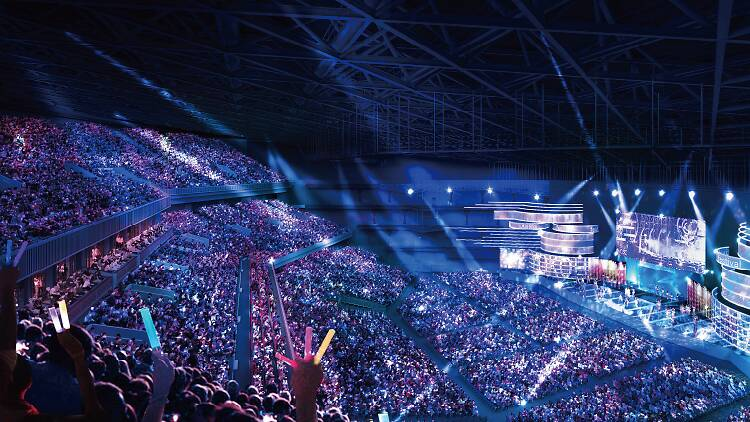
Partial-view seats (見切れ席, mikire-seki) and annotated reserved seats (注釈付き指定席, chūshakutsuki shitei-seki) come with specific viewing restrictions.
For example, a seat may offer a limited view of the stage or production equipment. The organiser explains these restrictions in the ticket description.
Japanese organisers sometimes release annotated seats after the main sales stages. This often happens when the production team finalises the stage design. However, the release schedule depends on each event.
How Organisers Sell Annotated Seats
Some organisers create a separate sales round for annotated seats. Others include them in additional ticket releases.
For example, the official Mrs. GREEN APPLE dome tour page lists several sales stages. These include a first-come-first-served reception for annotated reserved seats, additional-seat sales and last-minute sales.
The page also lists separate first-come-first-served and lottery receptions for additional seats. You can review the sales stages on the official tour ticket page.
Stage-Side Seats
Stage-side seats sit beside the performance area. Their position may limit your view of part of the stage, depending on the production design.
Organisers usually explain these restrictions in the category notes. Read the full description rather than relying on the seat name alone. A stage-side ticket does not automatically guarantee a full view.
Why Do These Seats Appear Late?
Organisers sometimes wait until the production team finalises the stage before releasing additional seats. This helps them identify areas they can safely open for ticket sales.
As a result, annotated and additional seats may appear later than the main categories. Our guide to Japan concert seat allocation explains how organisers assign seats across different sales stages.
What Are Premium, VIP and Hospitality Packages?
Premium and VIP packages offer higher-priced ticket options. They may combine a particular seat category with merchandise, lounge access or other benefits.
However, Japanese concert VIP seats do not follow one standard format. Each organiser decides what its package includes and explains the conditions on the sales page.
The promoter announcement mentioned earlier provides one example. It lists a VIP seat at ¥65,000, including tax. The package includes a guaranteed position at the front of the arena and VIP goods.
The same announcement offers a lounge seat at ¥25,000. This category includes access to a venue lounge and one drink.
What Can a Package Include?
Depending on the event, a premium package may include:
- A seat in a specified area
- Exclusive merchandise
- Access to a venue lounge
- A separate entrance or check-in process
- Other benefits listed by the organiser
Not every package includes all these features. Always check the official sales page for the exact contents.
Conditions Differ by Event
Premium packages may have additional rules. For example, organisers may set specific check-in times, collection arrangements and entry requirements.
You should also check whether the event allows official ticket resale. Some organisers restrict transfers or apply special conditions to premium tickets.
Our guide to official ticket resale in Japan explains how official resale services work. The Ask Japan Tickets team can also confirm the conditions that apply to your request before any payment.
How Do You Read Seat Categories on an Official Japanese Sales Page?
Start with the category name, price and seat type. Then read the notes carefully. Those notes often explain restrictions that the category name does not show.
A Japanese ticket sales page usually lists the category first. It then shows the price in yen, including tax, followed by details about reserved seating, standing areas or seated-only sections.
The notes may also explain partial views, designated standing positions and entry numbers.
Reading a Sales Page Step by Step
Follow these steps when comparing Japanese concert seat types:
- Find the venue and the seating chart for your specific tour.
- Read each category name and identify reserved, standing and seated areas.
- Check the ticket price and remember that the play guide may add fees.
- Read the notes for partial views, designated positions and entry numbers.
- Check the age restrictions for each area.
- Confirm the ticket issuance method and find out when the organiser will reveal seat details.
Seats and Digital Tickets
The organiser sets the face value of Japanese concert tickets. The play guide may then add its own service or handling fees.
Organisers often reveal seat positions only when they issue the tickets. Digital tickets (電子チケット, denshi chiketto) may show the seat shortly before the concert.
Our guide to digital ticket apps in Japan explains how smartphone tickets work.
Before event day, charge your phone and make sure you have a reliable data connection. You may need both to display your ticket at the entrance.
Payment and Fees
If you plan to buy Japanese concert tickets from overseas, check the price and payment conditions before applying.
Ticket sellers in Japan commonly offer credit card and convenience-store payment (コンビニ, konbini) options. However, the available methods depend on the organiser and play guide.
Also check the published service fees. The face value alone may not represent the full amount you need to pay.
Time and Dates
Japanese ticket sales pages use Japan Standard Time (JST, UTC+9). Always convert the opening and closing times to your local time zone.
For example, a sale that opens at 10:00 JST starts at 01:00 UTC. London is nine hours behind Japan during winter and eight hours behind during summer.
Convert every important date and time before applying. This simple step can help you avoid missing a lottery deadline or payment window.
Which Japanese Concert Seat Types Tips Help First-Time Overseas Fans?
Three habits make Japanese ticket applications easier. First, study the seating chart. Second, read the notes for every category. Third, convert all deadlines to your local time zone.
International visitors see the same seat categories as Japanese fans. However, visitors who plan their travel around a concert need to consider ticket issuance and seat-reveal dates as well.
Start with the organiser’s official page. It provides the categories, application dates and conditions for the event.
Practical Japanese Concert Seat Types Tips
- Start with the venue’s seating chart. Check the chart for your specific tour rather than relying on a general venue layout.
- Read every category note. Look for restrictions such as partial views or seated-only conditions.
- Do not assume letter categories are universal. An S seat at one concert may differ from an S seat at another.
- Check the age rules. Requirements can vary by seating area and event.
- Prepare for a late seat reveal. Organisers often show exact positions only when they issue tickets.
- Keep travel plans flexible. Avoid non-refundable travel bookings until you have secured and confirmed your ticket.
Japanese Concert Seat Types Checklist
Use this checklist before applying:
- Confirm the organiser, venue and event dates on an official page.
- Find the seating chart and list of ticket categories.
- Identify reserved, standing, seated and annotated categories.
- Read the notes for each category you are considering.
- Check the ticket price and the play guide’s published fees.
- Review the age restrictions for your chosen area.
- Confirm how the organiser issues tickets and reveals seat positions.
- Keep travel bookings flexible until you have paid for and received your ticket.
How Ask Japan Tickets Can Help with Seat Categories
Ask Japan Tickets helps international visitors understand Japanese concert seat categories and follow official sales stages. Our Tokyo team explains the process and confirms exactly what you will receive before any payment.
Our service covers five main areas:
- Event and Application Alerts: We notify you when applications and sales open. We can also monitor later releases of annotated and additional seats. This helps you follow important deadlines across time zones.
- Lottery and Application Service: We help submit applications correctly and within the deadline for each round you choose to enter.
- Local Payment Settlement: We help complete payments in Japan within the deadline after a successful application.
- Ticket Receipt in Japan: We receive physical tickets, check them and hold them safely until your arrival.
- Digital Ticket Setup Support: We help set up smartphone tickets and check that they display correctly before event day.
Our team follows the appropriate official channels. Before payment, we explain the ticket category, receipt method and any entry conditions from the organiser.
Remember that the organiser’s system generally assigns seat locations. A preferred seat is not a guarantee. Availability also depends on the organiser’s sales rules and lottery results.
You can find answers to common service questions in the Ask Japan Tickets FAQs.
Conclusion
Japanese concert seat types follow a few main categories. Large venues offer arena and stand seats, while live houses often use standing areas with entry numbers. Organisers may also release annotated seats later or offer premium packages with additional benefits.
Each organiser sets its own category names and conditions. Therefore, always check the official sales page and the seating chart for your event.
Once you understand these terms, you can compare ticket options more confidently. You can also plan your application, payment and travel around the correct deadlines.
FAQ: Japanese Concert Seat Types
What are the main seat types at Japanese concerts?
The main categories include arena seats, stand seats, standing areas, annotated reserved seats and premium or VIP seats. Large domes and arenas usually offer reserved seating. Live houses often sell standing tickets with entry numbers. Each organiser defines its own categories, so check the official sales page and seating chart.
What does 整理番号 mean on a standing ticket?
整理番号 (seiri bangō) means entry number. It determines the order in which staff admit standing-ticket holders. Earlier numbers generally enter before later numbers. However, the number does not identify a seat. Some live houses also collect a drink fee at the entrance.
What is an annotated reserved seat?
An annotated reserved seat (注釈付き指定席, chūshakutsuki shitei-seki) is a reserved seat with a restriction explained by the organiser. For example, the seat may have a limited view of the stage. Organisers sometimes release these seats after the main sales stages.
What do VIP seats at Japanese concerts include?
The benefits depend on the organiser. A VIP package may include a seat in a specified area, exclusive merchandise or lounge access. Some events also arrange separate check-in or entry procedures. Always read the official sales page to confirm the package contents and conditions.
Can I choose my exact seat at a Japanese concert?
Usually, the organiser’s system assigns your exact seat. You may only see its location when the organiser issues your ticket. The ticket category confirms the type of seat you applied for, but it does not guarantee a particular position. Always check the organiser’s rules before applying.