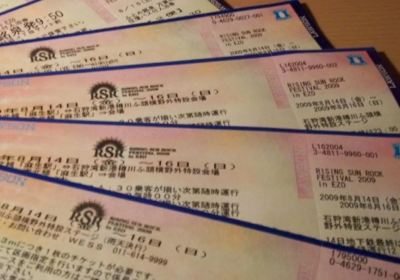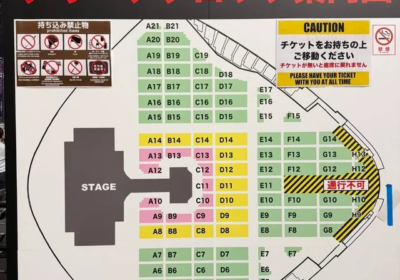
Japanese Ticket Terms: A Glossary of 40 Terms for Overseas Fans
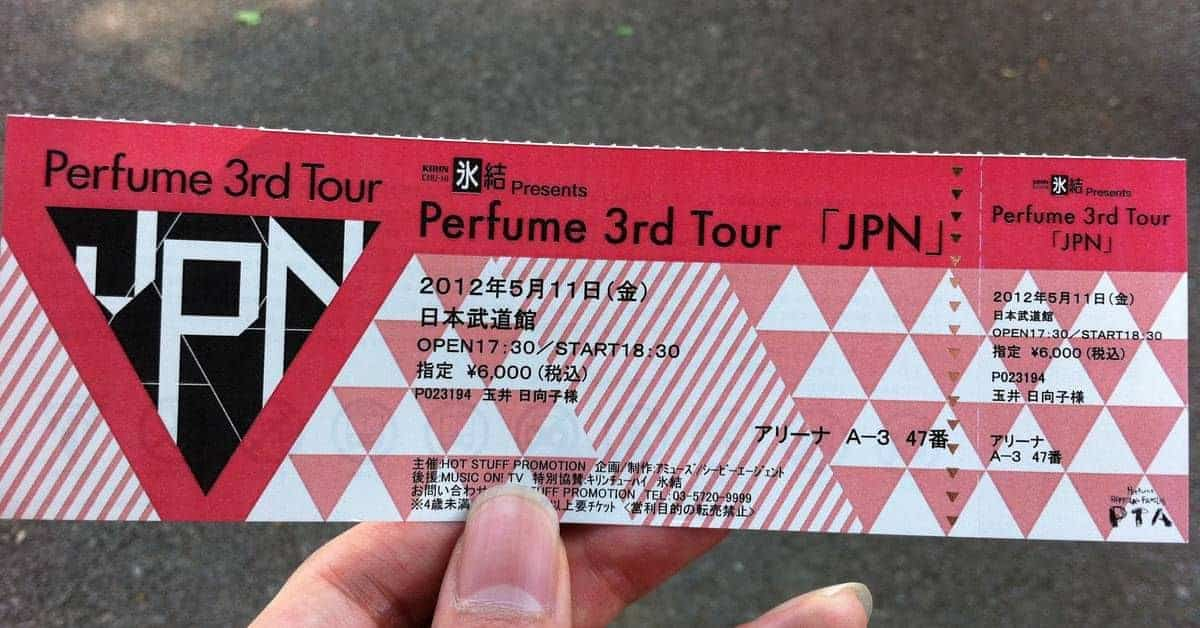
Key Takeaways
- Japanese ticket terms form a vocabulary of about 40 words. You will see them on event notices, ticket pages and sales announcements.
- Sale terms such as 抽選 (chūsen, lottery), 先行 (senkō, presale) and 一般発売 (ippan hatsubai, general sale) explain each sales stage.
- Seat, payment and issuance terms such as 指定席 (shitei-seki, reserved seat), 入金 (nyūkin, payment) and 発券 (hakken, ticket issuance) explain what you receive and when.
- Entry terms such as 開場 (kaijō, doors open) and 整理番号 (seiri bangō, entry number) help you understand event-day procedures.
- All dates and times on Japanese event notices follow Japan Standard Time (JST, UTC+9). Always check the organiser’s official page for the conditions attached to each term.
Official event notices in Japan use a consistent vocabulary. Therefore, learning these expressions makes ticket pages much easier to understand.
This Japanese ticketing glossary explains 40 essential terms in four groups: sale and application, seats and ticket types, payment and issuance, and entry and venue. Each entry includes the Japanese script, romaji reading and a plain-English meaning.
You must usually complete applications through official Japanese channels. However, you can prepare by learning the vocabulary before each sale begins. If you need assistance, Ask Japan Tickets offers ticket concierge support. Our Tokyo team will confirm the application route and explain exactly what you will receive before any payment.
These expressions appear across music events and other live entertainment in Japan. This guide presents Japanese ticket terms in English so overseas fans can understand official notices before applying.
What Japanese Ticket Terms Do Overseas Fans Meet Most Often?

The most common Japanese ticket terms describe four things: the sales stage, the seat type, payment and ticket issuance, and event-day entry rules.
Ticket PIA, e+ and Lawson Ticket each provide English-language pages. Nevertheless, organisers often publish important notices and sales conditions in Japanese. Knowing the Japanese concert vocabulary helps you follow these announcements with confidence.
The 40 terms below follow the order in which readers commonly encounter them. First come the sale terms, followed by seat and ticket-type expressions. Next, you will find payment and issuance vocabulary. Finally, the guide covers entry and venue terms.
How to Read Each Entry
Every entry includes three elements:
- Japanese script: The original expression used on ticket pages.
- Reading: The romaji pronunciation.
- Meaning and explanation: A simple English definition and practical details.
The notes explain how each term works in practice. However, the organiser (主催, shusai) sets the conditions for every event. Therefore, always check the official event page before applying.
Why This Glossary Helps
Japan uses a ticketing system with its own procedures. Popular events often use lotteries, presales, face-value pricing and ticket collection through convenience stores or smartphone apps.
These Japanese expressions describe each step. As a result, understanding them helps you identify the correct sales stage, application deadline and next action when buying Japan concert tickets.
Which Japanese Sale and Application Terms Should You Know?
Start with four essential expressions: 抽選 (chūsen, lottery), 先行 (senkō, presale), 先行先着 (senkō senchaku, first-come-first-served presale) and 一般発売 (ippan hatsubai, general sale).
These terms identify the different stages explained in our overview of Japan ticket sale stages. Concert terms in Japanese often appear at the top of a sales announcement because they tell readers which application period is open.
Stage and Lottery Terms
| Japanese term | Reading | Meaning | What to know |
|---|---|---|---|
| 抽選 | Chūsen | Lottery | Applicants enter during a set period. The organiser announces results later. |
| 先行 | Senkō | Presale | A sale before the general sale, usually for a group selected by the organiser. |
| 先行抽選 | Senkō chūsen | Presale by lottery | The organiser allocates tickets through a draw during a presale. |
| 先行先着 | Senkō senchaku | First-come-first-served presale | Applicants secure tickets in purchase order rather than through a lottery. |
| 一般発売 | Ippan hatsubai | General sale | The public sale, usually on a first-come-first-served basis. High-demand events may have few tickets left. |
| ファンクラブ先行 | Fan kurabu senkō | Fan club presale | A presale for members of an artist’s official fan club. Organisers often use lotteries and several application rounds. |
Application, Result and Organiser Terms
| Japanese term | Reading | Meaning | What to know |
|---|---|---|---|
| シリアルコード | Shiriaru kōdo | Serial code | A code, often included in a CD package, that allows an application for a release-linked presale. |
| 同行者 | Dōkōsha | Companion | Some applications require you to register the people attending with you. The organiser sets the rules. |
| 当選 | Tōsen | Successful result | Winning gives you the right to purchase a ticket. You still need to complete payment. |
| 落選 | Rakusen | Unsuccessful result | You did not win that round. However, another sales stage may offer more tickets. |
| 主催 | Shusai | Organiser | The company or committee responsible for the event and its ticketing conditions. |
| プレイガイド | Purei gaido | Play guide | An authorised ticket seller, such as Ticket PIA, e+, Lawson Ticket or Rakuten Ticket. |
Our guide to the Japan play guide system explains the role of each seller. A single event may use several play guides at once. In that case, each seller can run its own presale and application process.
Which Japanese Seat and Ticket-Type Terms Should You Know?
The most important seat terms include 指定席 (shitei-seki, reserved seat), 自由席 (jiyū-seki, unreserved seat) and 立見 (tachimi, standing room).
Other expressions describe restricted views, remaining ticket allocations and age conditions. These Japanese ticket words help you understand the type of admission you are purchasing.
The organiser’s system usually assigns seats. Applicants often cannot choose their exact location. Furthermore, the ticket may reveal the seat number only when the organiser issues it.
| Japanese term | Reading | Meaning | What to know |
|---|---|---|---|
| 指定席 | Shitei-seki | Reserved seat | The ticket includes an assigned seat. You may see the exact seat at issuance. |
| 自由席 | Jiyū-seki | Unreserved seat | The ticket allows entry to a seating area without an assigned seat number. |
| 立見 | Tachimi | Standing room | A standing admission area, common at live houses and some halls. |
| 見切れ席 | Mikire-seki | Partial-view seat | Part of the stage may not be visible from this seat. |
| 注釈付き指定席 | Chūshakutsuki shitei-seki | Reserved seat with noted restrictions | The organiser explains restrictions, such as a limited stage view. |
| 予定枚数終了 | Yotei maisū shūryō | Planned allocation reached | The planned allocation for that sales channel or seat category has run out. Another sales stage may follow. |
| 残りわずか | Nokori wazuka | Few remaining | Only a small number of tickets remain. |
| 当日券 | Tōjitsuken | Same-day ticket | Some events sell additional tickets on the event day. |
| 未就学児 | Mishūgakuji | Preschool children | Refers to children below school age. The organiser sets admission and age conditions. |
Important Note About Children and Restricted Seats
Age rules and child admission conditions differ between events. For example, some organisers may require a ticket for every child, while others may set specific rules for preschool children.
Similarly, a partial-view seat may have different restrictions depending on the venue. Therefore, check the official event page before purchasing.
Which Japanese Payment and Ticket Issuance Terms Should You Know?
Four important expressions are 入金 (nyūkin, payment), 入金期限 (nyūkin kigen, payment deadline), 発券 (hakken, ticket issuance) and 電子チケット (denshi chiketto, digital ticket).
These terms explain how a successful application becomes an actual ticket. Winning a lottery gives you the right to purchase. However, you must complete payment before the deadline to secure your allocation.
| Japanese term | Reading | Meaning | What to know |
|---|---|---|---|
| 入金 | Nyūkin | Payment | Complete payment after a successful result to secure the allocation. |
| 入金期限 | Nyūkin kigen | Payment deadline | The organiser sets a short payment period after announcing results. Missing it normally forfeits the allocation. |
| コンビニ | Konbini | Convenience store | 7-Eleven, FamilyMart and Lawson may accept ticket payments and provide paper ticket collection. |
| 発券 | Hakken | Ticket issuance | Print or obtain a paper ticket using a reference number on the date set by the organiser. |
| 電子チケット | Denshi chiketto | Digital ticket | A ticket displayed through a smartphone app. The organiser may reveal the seat shortly before the event. |
| 分配 | Bunpai | Distribution | Send a digital ticket to a companion through the relevant app. |
| 払い戻し | Haraimodoshi | Refund | The organiser announces refund procedures after a cancellation, usually through the original sales channel. |
| 公式リセール | Kōshiki risēru | Official resale | An organiser-approved service that transfers a ticket at face value. |
| 転売 | Tenbai | Resale | Transferring a ticket to another person for payment. |
| 不正転売 | Fusei tenbai | Unauthorised resale | Resale that violates the applicable Japanese law. See the legal explanation below. |
Ticket Fees and Payment Methods
The organiser sets the face-value ticket price. However, the play guide may add service and issuance fees.
According to Ticket PIA’s official charges page, the listed fees include:
- System usage fee: ¥330 per ticket.
- Issuance fee: ¥165 per ticket.
- Payment fee: ¥330 per order for payment at 7-Eleven, FamilyMart or econtext.
- Credit card payment fee: No payment fee on the cited page.
- Special sales and delivery fees: These vary by performance.
Payment options for event tickets in Japan commonly include credit cards and convenience-store payments. However, fees can change. Therefore, overseas buyers should confirm the latest amounts on the official seller’s website before purchasing.
Understanding Japanese Ticket Resale Terms and the Law
The expressions 転売 (tenbai) and 不正転売 (fusei tenbai) relate to Japan’s ticket resale rules.
The Act on Ensuring the Proper Distribution of Show and Event Tickets by Prohibiting the Unauthorized Resale of Specified Show and Event Tickets (Act No. 103 of 2018) took effect on 14 June 2019.
According to the Ministry of Justice’s Japanese Law Translation database, penalties for unauthorised resale can include imprisonment for up to one year, a fine of up to ¥1 million, or both.
This explanation provides general information, not legal advice. For a permitted ticket transfer, use the organiser’s approved 公式リセール (official resale) service.
Which Japanese Entry and Venue Terms Should You Know?

The main entry expressions include 開場 (kaijō, doors open), 開演 (kaien, performance starts), 整理番号 (seiri bangō, entry number) and 本人確認 (honnin kakunin, identity confirmation).
These terms explain what happens on the event day, from arrival to admission. Both times on a notice matter because the venue may open well before the performance begins.
| Japanese term | Reading | Meaning | What to know |
|---|---|---|---|
| 開場 | Kaijō | Doors open | The time the venue begins admitting visitors. |
| 開演 | Kaien | Performance starts | The scheduled start time of the performance. Follow the organiser’s instructions. |
| 整理番号 | Seiri bangō | Entry number | At standing venues, staff call ticket holders in number groups. Entry order determines position inside. |
| 本人確認 | Honnin kakunin | Identity confirmation | Some organisers check ticket holders’ identities at the entrance. Requirements differ by event. |
| 規制退場 | Kisei taijō | Regulated exit | Large domes may release audience sections one by one to manage crowds near stations. |
| グッズ | Guzzu | Official merchandise | Items sold at the venue, sometimes before the show or through advance online sales. |
| ドリンク代 | Dorinku-dai | Drink fee | A fee charged at some live houses, usually in cash and exchanged for a drink token. |
| ライブハウス | Raibu hausu | Live house | A small live music venue that often accommodates a few hundred standing fans. |
| ライブビューイング | Raibu byūingu | Live viewing | A concert or performance screened live in cinemas. |
Check the Venue Location Before Travelling
Some events described as Tokyo concerts take place in neighbouring prefectures. Therefore, confirm the exact venue address before booking transport or accommodation.
Visitors who want to plan a Japan trip around concert dates can also explore our dedicated travel guide.
How Do You Use This Glossary When Reading Official Japanese Notices?
The easiest approach is to read each notice in a fixed order:
- Organiser
- Sales stage
- Application and event dates
- Ticket type
- Payment deadline
- Ticket issuance
- Entry conditions
This order follows the four glossary groups above. It also helps you avoid missing important details.
Japan uses JST (UTC+9) throughout the year and does not change its clocks. For example, a sale that opens at 10:00 JST begins at 01:00 UTC. London sits nine hours behind Japan in winter and eight hours behind in summer.
Japanese Ticket Kanji: What Do the Characters Mean?
Many ticket expressions combine kanji with recognisable meanings. Learning a few characters can help you understand unfamiliar terms.
| Kanji | Meaning of the characters | Related term |
|---|---|---|
| 抽選 | 抽 (draw out) + 選 (choose) | Lottery |
| 先行 | 先 (ahead) + 行 (go) | Presale |
| 先着 | 先 (ahead) + 着 (arrive) | First to arrive |
| 発券 | 発 (issue) + 券 (ticket) | Ticket issuance |
| 開場 | 開 (open) + 場 (venue) | Doors open |
| 整理番号 | 整理 (arrange) + 番号 (number) | Entry number |
Reading a Japanese Ticket Notice Step by Step
Follow these steps when you open an official sales page:
- Find the organiser (主催) and the event name.
- Identify the sales stage, such as 先行 or 一般発売.
- Record the application window, result date and payment deadline in JST.
- Check the ticket type, such as 指定席 or 立見, and read any restrictions.
- Confirm the issuance method: convenience-store 発券, delivery or 電子チケット.
- Check the entry times and any 本人確認 or 整理番号 instructions.
Practical Japanese Ticket Terms Tips
Read the official page first. The organiser sets the dates and conditions. Use summaries only as supporting information.
Keep this glossary nearby. Match each Japanese term to its meaning before taking action.
Convert time zones carefully. Write the JST deadline beside your local time to avoid confusion.
Treat every sales stage separately. Each round has its own application window, result date and payment deadline.
Keep travel plans flexible. Avoid committing to non-refundable travel until you have paid for and received your ticket.
Japanese Ticket Terms Checklist
Before completing an application, check the following:
- Identify the organiser, venue and event dates on an official page.
- Identify the open sales stage: 抽選, 先行 or 一般発売.
- Record the 入金期限 in JST and your local time zone.
- Confirm the seat type and any 注釈付き指定席 or 見切れ席 restrictions.
- Check the ticket issuance method: 発券, delivery or 電子チケット.
- Check 開場, 開演 and any 本人確認 instructions.
- Review age rules, including 未就学児 conditions.
- Check the availability of 払い戻し or 公式リセール options.
This Japanese ticket terms guide provides a useful starting point. However, every event has its own conditions. These expressions matter especially when your travel plans depend on ticket issuance dates and entry times.
The same Japanese ticket terms appear for tourists, international residents and local fans. Learning the readings helps you match each expression to the official notice.
How Ask Japan Tickets Can Help with Japanese Ticket Terms
Ask Japan Tickets helps international visitors understand and navigate Japanese ticketing procedures. Our Tokyo team follows the official sales stages and confirms what you will receive before any payment.
We offer six service lines related to Japanese ticket applications:
1. Event and Application Alerts
Receive updates when applications and sales open. This service helps you track important windows across different time zones.
2. Lottery and Application Service
Get assistance with submitting applications correctly and on time for the rounds you want to enter.
3. Local Payment Settlement
Our team helps complete payments in Japan within the deadline following a successful application.
4. Ticket Receipt in Japan
We receive and check physical tickets in Japan. We can also hold them safely until your arrival.
5. Convenience Store Collection Guidance
Learn how to collect tickets issued through Japanese convenience stores. We explain the steps so you can follow the collection process.
6. Digital Ticket Setup Support
Get help setting up smartphone tickets and checking that they display correctly before event day.
Organisers control ticket availability and lottery results. Therefore, Ask Japan Tickets cannot guarantee a ticket or a particular seat.
Before any payment, our team explains the ticket type, collection method and organiser’s entry conditions. We prepare individual quotes according to the event and services you need.
You can also find answers to common service questions in the Ask Japan Tickets FAQs.
Conclusion: Learn Japanese Ticket Terms Before You Apply
The 40 Japanese ticket terms in this guide cover four essential areas: sale and application, seats and ticket types, payment and issuance, and entry and venue procedures.
Each expression has a consistent meaning. However, the organiser sets the conditions for every event. Once you understand these words, you can follow official notices, identify the correct sales stage and plan your application more confidently.
Planning to attend a concert or event in Japan? Tell us which event interests you. Our Tokyo team will explain the available options and confirm exactly what you will receive before any payment.
Frequently Asked Questions About Japanese Ticket Terms
What does 抽選 mean on a Japanese ticket page?
抽選 (chūsen) means lottery. The organiser allocates tickets through a draw rather than by purchase order. Applicants enter during a set period. Then, the organiser announces the results on a specified date. Successful applicants must complete payment before the deadline. The official page provides the dates in Japan Standard Time.
What is the difference between 先行 and 一般発売?
先行 (senkō) means presale. It takes place before the general sale and usually targets a group selected by the organiser, such as fan club members.
一般発売 (ippan hatsubai) means general sale. It usually follows a first-come-first-served system. However, high-demand events may have very few tickets left by this stage.
What does 発券 mean?
発券 (hakken) means ticket issuance. For paper tickets, buyers use a reference number at a convenience-store counter or terminal. They print the ticket on the date set by the organiser.
Digital tickets (電子チケット) follow a different process. The seller issues them through a smartphone app. The official event page explains which method applies.
What is a 整理番号?
整理番号 (seiri bangō) means entry number. You will often see it on tickets for standing venues, including live houses.
Staff call ticket holders in number groups. Your entry order then determines your position inside the venue. Many live houses also charge a drink fee (ドリンク代) at the entrance. Visitors usually pay in cash and exchange the fee for a drink token.
Do English ticket pages remove the need to know Japanese ticket terms?
No. Ticket PIA, e+ and Lawson Ticket offer English-language pages. However, organisers may still publish important notices and sales conditions in Japanese.
A glossary helps you match each expression to its meaning. In addition, the Ask Japan Tickets team can confirm the sales stage, ticket type and entry conditions for your request before any payment.