Japan Ticket Sale Stages Explained: Fan Club to General Release

Key Takeaways
- Japan ticket sales usually follow a sequence: fan club presales, other presales by lottery or first-come-first-served purchase, general sale, and additional releases.
- Presale lotteries (senkō chūsen, 先行抽選) allocate tickets through a draw. In contrast, first-come-first-served presales (senkō senchaku, 先行先着) sell tickets in purchase order.
- The general sale (ippan hatsubai, 一般発売) usually follows a first-come-first-served system. However, high-demand events may have few tickets left by this stage.
- Some organisers release additional tickets later, including partial-view seats and same-day tickets.
- Organisers publish every sale date and time in Japan Standard Time (JST, UTC+9). However, no sales stage guarantees a ticket or a particular seat.
Japan sells tickets for popular concerts and events through several stages rather than one single sale. This Japan ticket sale stages guide explains each stage in order, from the first fan club presale to the general sale and any later releases.
Overseas fans usually apply through official channels, which often provide information in Japanese and use Japan Standard Time. If you need assistance at any stage, you can request ticket concierge support. Our Tokyo team will explain the available route and confirm exactly what you will receive before requesting payment.
These stages apply to many Japanese music events that attract international audiences. They also illustrate how Japan manages ticket sales across its live entertainment industry. Throughout this guide, we explain the Japan ticket sale stages in English and introduce the Japanese terms that appear on official ticketing pages.
What Are the Japan Ticket Sale Stages from Fan Club to General Release?

Large events usually follow six ticket sales stages. However, organisers do not always use every stage or follow the same sequence. The organiser (shusai, 主催) decides which stages to offer, how many tickets to allocate and which authorised sellers, known as play guides (purei gaido, プレイガイド), can handle each sale.
Therefore, anyone following a ticket release schedule in Japan should check the organiser’s official announcement for the exact dates and conditions.
| Stage | Japanese term | How tickets are allocated |
|---|---|---|
| Fan club presale | ファンクラブ先行 (fan kurabu senkō) | Usually by lottery, often across several rounds |
| Release-linked and other limited presales | シリアルコード (serial code) and similar terms | By lottery or purchase order, depending on the organiser |
| Official and play-guide presales | 先行抽選 (senkō chūsen) | By lottery |
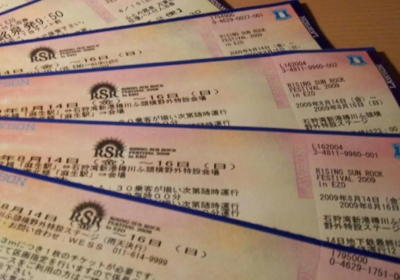
| First-come-first-served presales | 先行先着 (senkō senchaku) | In purchase order |
| General sale | 一般発売 (ippan hatsubai) | Usually in purchase order |
| Additional releases | Varies by event | According to the organiser’s announcement |
Four major Japanese play guides include Ticket PIA, e+, Lawson Ticket and Rakuten Ticket. A single event may use several of these platforms at the same time. Consequently, each platform can run a separate presale, creating several application windows over a few weeks.
For help understanding the terminology on these platforms, see our guide to Japanese ticket terms.
Why Japan Uses Multiple Ticket Sale Stages
Multiple stages allow organisers to offer Japan concert tickets to different groups in a planned order. First, they give supporters an opportunity to apply. Next, they open sales to wider audiences and eventually to the general public.
Organisers also set face-value prices and establish rules that support fair ticket distribution where applicable. In addition, each stage comes with published dates and conditions, helping fans organise their applications and travel plans.
How Do Presale Lotteries (Senkō Chūsen) Work and Who Can Apply?
A presale lottery offers tickets before the general sale. Applicants submit their requests during a specified period, and the organiser allocates tickets through a draw.
When you search for senkō chūsen, you will find this type of sale. A Japanese concert presale page usually displays the application period, result announcement date and payment deadline. Furthermore, each lottery round operates separately and follows its own schedule.
The organiser decides who can enter each round and publishes the eligibility conditions on the official page. The following groups commonly receive access.
Fan Club Members
The Japan fan club presale reserves applications for members of an artist’s official fan club. Organisers usually allocate these tickets through a lottery and may arrange several application rounds.
Buyers of Qualifying Releases
Some presales target people who purchase specific releases. For example, a CD package may contain a serial code (シリアルコード, shiriaru kōdo) that allows the buyer to submit a ticket application.
Official and Play-Guide Presales
Organisers and participating play guides also hold lottery presales. These rounds often follow the fan club applications and give additional groups an opportunity to apply.
Partner or Service-Linked Groups
Some events offer exclusive application opportunities through selected services or commercial partners. The organiser announces the relevant eligibility rules and application details.
Application, Result and Payment
Every presale lottery has three important dates:
- Application window: The period when applicants can submit their requests.
- Result announcement: The date when the organiser publishes the lottery outcome.
- Payment deadline: The final date for successful applicants to complete payment.
A successful result (tōsen, 当選) gives the applicant the right to purchase the tickets. However, the applicant must complete payment before the deadline to secure them.
An unsuccessful result (rakusen, 落選) applies only to that particular round. Therefore, applicants can still try again during later presales or the general sale.
Ticket Limits and Conditions
Many applications allow buyers to request a fixed number of tickets, often two or four. However, organisers may introduce additional conditions for companions (dōkōsha, 同行者) and event entry.
These rules vary between events. For this reason, the Ask Japan Tickets team checks the relevant conditions and explains them before requesting payment.
How Do First-Come-First-Served Presales (Senkō Senchaku) Differ?
A first-come-first-served presale sells tickets in purchase order rather than through a lottery. Therefore, buyers must complete their transactions while tickets remain available.
Japanese ticketing pages use the term senkō senchaku (先行先着) for this sales method. Some events offer it instead of a lottery presale, while others provide both options. However, not every event includes this stage.
The following table highlights the main differences between the two presale formats.
| Feature | Presale lottery (senkō chūsen) | First-come-first-served presale (senkō senchaku) |
|---|---|---|
| Allocation | The organiser conducts a draw after the application window closes. | The platform sells tickets in purchase order while supplies last. |
| Timing | Applicants can enter at any time during the application window. | The opening time matters because tickets may sell quickly. |
| Result | The organiser announces the outcome on a set date. | Buyers receive confirmation during the transaction. |
| Payment | Successful applicants pay before the stated deadline. | Buyers normally complete payment during the purchase. |
Timing in Japan Standard Time
Japanese ticketing platforms publish opening times in JST (UTC+9). Japan does not change its clocks for daylight saving time.
For example, a sale that opens at 10:00 JST starts at 01:00 UTC. Similarly, an 18:00 JST opening corresponds to 09:00 UTC.
London operates nine hours behind Japan during winter and eight hours behind during summer. Therefore, overseas fans should convert every opening time in advance and record it in their local time zone.
Understanding Ticket Sale Status Labels
Japanese ticketing pages display labels that describe the remaining ticket allocation. Understanding these terms helps buyers interpret the status of a sale.
- 予定枚数終了 (yotei maisū shūryō): The planned allocation for that sales channel or seat category has reached its limit.
- 残りわずか (nokori wazuka): Only a few tickets remain.
However, a closed allocation does not necessarily mean the entire event has permanently sold out. The organiser may release more tickets during later stages.
What Should You Expect from Japan General Sale Tickets (Ippan Hatsubai)?
Japan general sale tickets become available during the public sales stage, known as ippan hatsubai (一般発売). This stage usually follows a first-come-first-served system, and the organiser announces its opening date and time in advance.
For high-demand events, earlier presales may already have allocated most of the tickets. As a result, buyers may find very limited availability during the general sale. On the other hand, events with lower demand may offer more tickets at this stage.
Timing and Purchase Speed
The organiser sets a specific date and opening time for the general sale. Play-guide platforms then display the status of each available seat category.
Because buyers compete for the remaining tickets, speed matters. Overseas fans should convert the opening time from JST before the sale begins and prepare their payment details.
Nevertheless, no sales format guarantees a successful purchase. The organiser controls ticket availability, while demand determines how quickly tickets disappear.
Realistic Expectations
Different events follow different sales patterns. Some sell all their allocated tickets during presales, while others continue selling during the general sale or afterwards.
The official event page provides the most reliable information about current availability. Therefore, overseas visitors should treat every sales stage as a separate opportunity and check the conditions for each event instead of assuming that all Japanese concerts follow the same pattern.
Payment Methods
Japanese ticket sellers commonly accept credit cards and convenience-store payments (konbini, コンビニ).
When buyers choose convenience-store payment, the platform provides a payment reference. They must then visit the specified store and complete payment before the deadline.
However, available payment methods differ between organisers and play guides. Always check the official sales page before submitting an application.
What Are Additional Releases, Production-Hold Seats and Same-Day Tickets?
Some organisers release additional tickets after completing the main sales stages. For example, they may offer production-hold seats once the event team finalises the stage layout and production arrangements.
These additional releases may include:
- Partial-view seats (mikire-seki, 見切れ席): Seats with a restricted view of part of the stage.
- Restricted reserved seats (chūshakutsuki shitei-seki, 注釈付き指定席): Reserved seats that come with a notice about viewing or seating restrictions.
- Same-day tickets: Tickets that organisers offer at the venue on the event day, depending on availability.
Before purchasing, read the organiser’s description carefully. This helps you understand any viewing restrictions or special entry conditions.
How Organisers Announce Additional Releases
Organisers usually announce additional releases through the same official channels they use for the main sales stages. Each announcement includes a date, opening time and seat category.
Because production teams often finalise the stage layout close to the event, organisers may release these tickets late in the sales period. Therefore, fans who have not secured tickets should continue checking official announcements.
Official Resale
Many organisers and play guides operate official resale services (kōshiki risēru, 公式リセール). These services allow ticket holders who can no longer attend to transfer their tickets through an organiser-approved system.
Official resale platforms generally operate at face value and follow specific application periods. In many cases, they open close to the event date.
Japan also regulates unauthorised ticket resale through national legislation. The Act on Ensuring the Proper Distribution of Show and Event Tickets by Prohibiting the Unauthorized Resale of Specified Show and Event Tickets (Act No. 103 of 2018) came into force on 14 June 2019.
According to the Ministry of Justice’s Japanese Law Translation database, penalties for unauthorised resale include imprisonment for up to one year, a fine of up to ¥1 million, or both.
This information provides a general overview rather than legal advice. For a safer transaction, buyers should use official resale services that the organiser approves.
Which Japan Ticket Sale Stage Typically Offers the Strongest Seat Allocation?

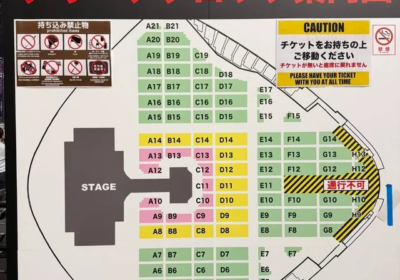
No ticket sale stage guarantees better seats. Organisers generally assign seat locations through their ticketing systems rather than allowing applicants to select exact seats. In many cases, buyers discover their seat details only when the platform issues their tickets.
The organiser also decides how many tickets and which seat categories each stage receives. Therefore, the official event announcement remains the best source of information about each allocation.
However, earlier stages may offer a wider selection because later sales depend on the tickets that remain. This explains why fans of high-demand artists closely follow fan club applications and other presales.
Consequently, anyone planning to attend a popular event should avoid relying on the general sale alone.
What the Seat Category Tells You
Japanese ticketing platforms use several terms to describe available seating arrangements.
- Reserved seats (shitei-seki, 指定席): The ticket provides an assigned seat.
- Unreserved seats (jiyū-seki, 自由席): Buyers can choose from available seats within the designated area.
- Standing room (tachimi, 立見): The ticket provides access to a standing area rather than an assigned seat.
At standing venues, such as live houses, tickets may include an entry number (seiri bangō, 整理番号). Staff use these numbers to organise entry in groups.
Therefore, check the seat category before completing your purchase. The exact seat or entry order may only become clear when the platform issues the ticket.
Fees by Stage
Organisers set the face value of event tickets, while play guides add their own service and processing fees.
For example, Ticket PIA’s official charges page lists a system usage fee of ¥330 per ticket and an issuance fee of ¥165 per ticket. It also lists a payment fee of ¥330 per order for payments through 7-Eleven, FamilyMart or econtext.
The platform may also charge special sales or delivery fees, depending on the performance.
These figures illustrate how ticketing fees work. However, charges can change, so always confirm the current amounts on the relevant platform before purchasing.
Ticket Issuance and Digital Tickets
Japanese sellers provide tickets in several formats:
- Convenience-store paper tickets (hakken, 発券): Buyers collect their tickets from a designated convenience store.
- Delivered paper tickets: The seller sends physical tickets to an eligible address in Japan.
- Digital tickets (denshi chiketto, 電子チケット): Buyers display their tickets through a smartphone app.
Our guide to digital ticket apps in Japan explains how these electronic tickets work.
Understanding the Japan ticket sale stages matters even more when you plan an overseas trip around a concert. Some platforms only open ticket issuance close to the event date. Therefore, check the collection or digital-entry requirements before finalising your travel arrangements.
Which Japan Ticket Sale Stages Tips Help First-Time Overseas Fans?
First-time applicants should focus on three important habits: reading official announcements, converting all sale times into their local time zones and recording every deadline.
Planning around Japan ticket sale stages for overseas fans starts with identifying the event organiser and checking its published schedule.
International visitors who search for Japan ticket sale stages for foreigners should understand that they generally follow the same sales stages as local fans. However, language requirements, payment options and time-zone differences may create additional challenges.
Practical Japan Ticket Sale Stages Tips
Use the following tips to organise your ticket applications successfully.
- Start with the organiser’s official announcement. Check the event dates, application conditions and ticket limits before applying.
- List every available sales stage. Record the stages the event offers and identify any stages that do not apply.
- Treat each stage separately. Note the application window, result announcement and payment deadline for every round.
- Convert all times in advance. Write the original JST time beside your local time to avoid confusion.
- Keep travel arrangements flexible. Avoid committing to non-refundable travel until you have secured and paid for your ticket.
- Use official resale services. If your plans change, choose an organiser-approved platform for any ticket transfer.
Japan Ticket Sale Stages Checklist
Before applying for a Japanese concert ticket, go through this checklist:
- Confirm the organiser, venue and event dates on an official page.
- List every sales stage in the order the organiser announces.
- Record each application window or opening time in JST.
- Convert every date and time into your local time zone.
- Check the ticket limit and any companion or entry conditions.
- Confirm the available payment methods and ticket format.
- Find out whether the organiser offers official overseas sales or official resale.
- Keep travel bookings flexible until you have paid for and received your ticket.
Following these steps helps you avoid missed deadlines and unexpected ticketing problems.
How Ask Japan Tickets Can Help with Japanese Ticket Sale Stages
Ask Japan Tickets supports international visitors throughout the Japan ticket sale stages. Our Tokyo team follows the relevant official sales procedures and explains the available options before requesting payment.
We provide five main service lines for international ticket buyers.
Event and Application Alerts
We monitor relevant announcements and notify you when applications or ticket sales open. This support helps you keep track of deadlines across different time zones.
Official Fan Club Membership
We help clients join an artist’s official Japanese fan club when membership requirements allow. This service can provide access to fan club priority applications.
Lottery and Application Service
We assist with submitting ticket applications correctly and within the organiser’s stated deadlines. You can request support for the lottery rounds you wish to enter.
Local Payment Settlement
We help complete eligible payments in Japan within the deadline following a successful application. Our team explains the applicable payment process before proceeding.
Ticket Receipt in Japan
We receive, check and safely hold eligible physical tickets until your arrival in Japan. This service helps international visitors manage ticket collection when they cannot receive tickets before travelling.
Ticket availability always depends on the organiser’s allocation and lottery results. Therefore, Ask Japan Tickets cannot guarantee a particular ticket or seat.
Before requesting payment, our team explains the ticket type, collection or delivery arrangements and any entry conditions set by the organiser. We prepare individual quotes based on the event and the services you need.
For further information about our services, visit the Ask Japan Tickets FAQs.
Conclusion
The Japan ticket sale stages follow a general sequence: fan club presales, other presales by lottery or purchase order, the general sale and, at some events, additional releases.
Each stage follows rules established by the organiser and uses Japan Standard Time. However, no stage guarantees a successful application or a particular seat.
Understanding this process helps overseas fans plan their applications, payments and travel arrangements with greater confidence. By checking official announcements and recording every deadline, you can approach each opportunity with a clear plan.
Would you like help attending a Japanese concert? Tell us which event you want to attend, and our Tokyo team will explain the available options and exactly what you will receive before any payment.
FAQ: Japan Ticket Sale Stages

What Are the Main Stages of a Japanese Ticket Sale?
The main stages include fan club presales, other presales by lottery or purchase order, the general sale and additional releases at some events. However, not every organiser uses all these stages or follows the same sequence. The official sales pages provide the applicable stages and dates in Japan Standard Time.
Is the General Sale the Only Chance to Buy Tickets?
No. Fans can also apply during earlier presales, including fan club lotteries and other limited sales. In addition, some organisers release more tickets after the general sale.
High-demand events may have very limited availability by the public sales stage. Official resale services also provide another opportunity when ticket holders can no longer attend.
What Does 予定枚数終了 Mean on a Sales Page?
The label 予定枚数終了 (yotei maisū shūryō) means the planned ticket allocation for that sales channel or seat category has reached its limit.
However, it does not always mean the entire event has permanently sold out. Organisers may announce later releases or additional sales. The label 残りわずか (nokori wazuka), meanwhile, indicates that only a few tickets remain.
Can I Choose My Seat During Each Sales Stage?
Usually, no. Organisers generally assign seats through their ticketing systems rather than allowing applicants to select exact locations.
The sales page normally identifies the ticket category, such as reserved or unreserved seating. However, the platform may only reveal the exact seat when it issues the ticket.
Ask Japan Tickets can explain the ticket type and applicable conditions before requesting payment.
Is There a Separate Ticket Sale Stage for Tourists?
International visitors generally follow the same sales stages as local fans, subject to the organiser’s eligibility requirements.
However, some events offer official overseas ticket sales through designated organisers or play guides. These channels may provide different application procedures for people living outside Japan.
Check the organiser’s official announcement to identify the available options. Alternatively, the Ask Japan Tickets team can help confirm the appropriate application route for your event.