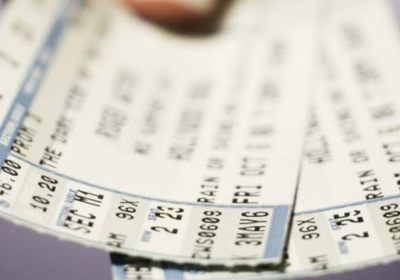
Japan Concert Age Restrictions: Children, Tickets and Policies

Key Takeaway
- Each organiser sets its own Japan concert age restrictions, and many concerts do not admit preschool children (mishūgakuji, 未就学児).
- Where children are admitted, a ticket is usually required from a stated age, often primary school age. The rule is printed in the event notice.
- Sporting and family events often offer child prices. The Japan Sumo Association, for example, requires a ticket from age 4 and sells some seats at a child price for ages 4 to 15.
- Some seats are closed to children entirely. Sumo’s ringside tamari seats, for example, are limited to people aged 16 and over.
- Rules differ for every event, so always confirm age conditions before purchase.
The organiser of each event sets its own Japan concert age restrictions, and these vary more than many overseas visitors expect. Some concerts admit children of any age with a ticket, some do not admit preschool children at all, and some allow very young children to attend free of charge on a parent’s lap. Understanding these rules is part of understanding how Japanese ticketing works. For any family weighing up children at concerts in Japan, it is essential.
This Japan concert age restrictions guide explains:
- the most common age rules
- child prices at sporting and family events
- seats where children are and are not admitted
- comfort considerations
- how age conditions are confirmed before purchase
If you would like our Tokyo team to check the rules for a particular event, you can request ticket concierge assistance at any time. For current listings, browse our music events in Japan.
Japan Concert Age Restrictions Explained: Common Age Rules
Japan concert age restrictions usually follow a small number of patterns. Each is stated in the event notice (kōen gaiyō, 公演概要) or in the detailed notes (chūi jikō, 注意事項). The organiser decides which pattern applies, and the same artist may use different rules at different venues.
What 未就学児 入場 rules mean
The most common rule concerns preschool children (mishūgakuji, 未就学児), meaning children who have not yet started primary school. In Japan, children usually start primary school in April at the age of six. A notice reading 未就学児入場不可 (mishūgakuji nyūjō fuka) means that preschool children cannot enter, even with an adult and even if a ticket is bought for them.
This rule is common at large concerts, standing venues and events that finish late in the evening. It reflects the organiser’s view of crowd conditions and the nature of the performance.
Tickets required from a stated age
Where children are admitted, the notice usually states the age from which a ticket is required. Typical wording includes:
| Japanese wording | Reading | Meaning |
|---|---|---|
| 未就学児入場不可 | mishūgakuji nyūjō fuka | Preschool children not admitted |
| 小学生以上チケット必要 | shōgakusei ijō chiketto hitsuyō | A ticket is required from primary school age |
| 3歳以上チケット必要 | sansai ijō chiketto hitsuyō | A ticket is required from age 3 |
| 膝上鑑賞可 | hizaue kanshō ka | A young child may watch on an adult’s lap without a ticket |
| 年齢制限あり | nenrei seigen ari | An age restriction applies |
Where a child may attend on an adult’s lap, this usually applies only while the child does not need a seat of their own. If the child needs a seat, a ticket is required.
Why age rules vary
The organiser sets the age limit for a concert in Japan. It takes into account the venue, the type of audience, the format of the show and safety considerations such as standing crowds. A family concert in Japan held in a seated hall may welcome very young children, while a rock concert at a live house (raibu hausu, ライブハウス) may not. The rule for one event cannot be applied to another, even for the same artist.
Child Pricing at Sporting and Family Events
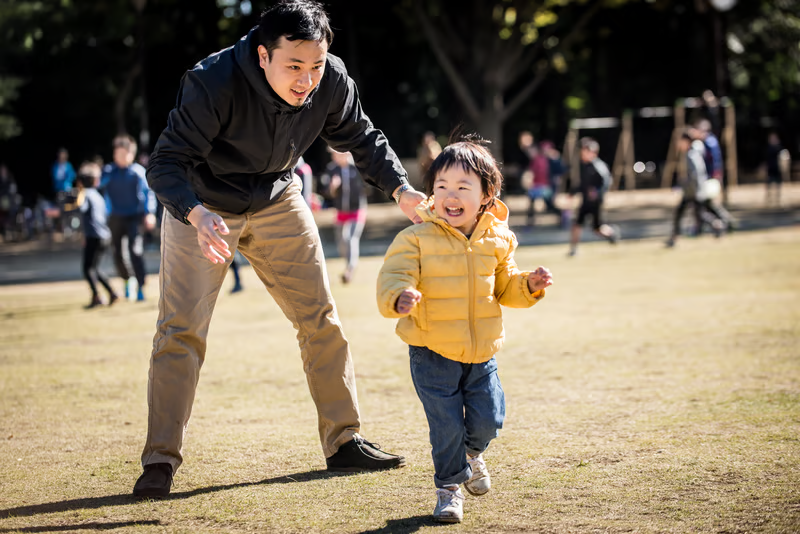
Kids’ tickets in Japan, meaning tickets sold at a child price, are more common at sporting and family events than at concerts. Many concerts charge one price for every ticket holder regardless of age. Sport and festivals, by contrast, often offer reduced or free entry for children.
Grand sumo
The Japan Sumo Association publishes clear age rules for its grand tournaments (honbasho):
- Child prices. The association’s price list for its Tokyo tournaments sells the back row of chair seats (Isu D) at ¥2,500 for adults and ¥500 for children aged 4 to 15.
- Family packages. The association has also offered a four-person “kids” chair seat package at ¥14,000, or ¥3,500 per person. It is available only to groups that include a child aged 15 or under.
- When a ticket is needed. Its notice for the Nagoya tournament states that anyone aged 4 or over on the day of attendance needs a ticket.
Professional baseball
Professional baseball clubs set their own rules. For Yomiuri Giants home games at Tokyo Dome, the official sales page on Ticket PIA states that children below primary school age are admitted free, but they need a ticket if they will occupy a seat. The same page lists a separate seat category for primary, junior high and high school students, and notes that age or identification may be checked at entry.
Festivals
Music festivals often set their own child policies. According to the official Fuji Rock Festival website, anyone aged 15 or under on a date stated by the organiser was admitted free when accompanied by a parent or guardian, with photo identification required. The festival also sold a reduced “Under 17” one-day ticket at ¥9,000.
| Event type | Common child policy | Where to confirm |
|---|---|---|
| Large concerts | Often no preschool children; one price from primary school age | The organiser’s event notice |
| Grand sumo | Ticket required from age 4; child prices on selected seats | sumo.or.jp |
| Professional baseball | Young children often free if they do not use a seat; student seat categories | The club’s official site |
| Music festivals | Free or reduced entry for children, usually with a guardian | The festival’s official site |
Seats Where Children Are and Are Not Admitted
Some seats are closed to children, and some are available only when a child is in the group. These rules apply in addition to the general age rule for the event, so check both.
Seats with a minimum age
The clearest example is sumo’s ringside tamari seats (tamari-seki, 溜席), which place spectators very close to the ring. The Japan Sumo Association’s conditions of entry state that only people aged 16 or over may use these seats, because wrestlers can fall from the ring into the audience. Children cannot use them, even with an adult.
At concerts, some areas may have their own conditions, for example standing blocks near the stage. Where such a rule exists, it is stated in the event notice.
Seats designed for families
Other seats are intended for families. The Japan Sumo Association’s conditions allow “kids” seats to be offered at each tournament. At least one person in the group must be aged 4 to 15, and children aged 15 or under cannot use these seats without an adult. Some baseball clubs and concert organisers offer similar family or parent-and-child seats (oyako-seki, 親子席) on selected dates.
Companions and accessible seating
Children usually attend as companions on an adult’s application. Our guide to the japan concert companion ticket explains how companions are registered and seated. If your family also needs step-free access or a wheelchair space, see our guide to wheelchair accessible concerts japan.
Hearing Protection and Comfort Considerations
Volume, crowds and timing can all be demanding for young visitors, so hearing protection and comfort deserve careful thought. Check the venue’s rules on what can be brought in before the day.
Hearing protection
Concerts in arenas, domes and live houses can be very loud, particularly near the speakers. Many families bring child-sized ear defenders or earplugs. Check any bag rules or prohibited items on the venue’s official site. Standard hearing protection is generally a sensible item to carry.
Timing and crowds
Concerts in Japan list two times: doors open (kaijō, 開場) and the start of the performance (kaien, 開演). Queues for large venues can form well before the doors open. At the end of the show, large domes use regulated exit (kisei taijō, 規制退場), releasing the audience block by block, so leaving can take some time. Plan for the total time at the venue, not only the length of the performance.
Seating and comfort
The organiser generally assigns seat locations, which are often revealed only when tickets are issued. A seat high in a dome may be some distance from the stage, which can hold a young child’s attention less well. Water, a light layer for air-conditioned halls and any small comfort items the venue permits can all help.
Japan Concert Age Restrictions for Overseas Fans
Japan concert age restrictions for overseas fans are the same as for local audiences, because the organiser applies one set of rules to everyone. What differs is the practical task of reading the rules, which are usually published in Japanese.
Japan concert age restrictions for international visitors and tourists
International visitors should check the age rule before booking flights or accommodation. Japan concert age restrictions for tourists appear in the same event notice as for any other fan, often as a short line among many notes. Our guide on how to plan japan trip around concert explains how to fit these checks into your wider travel planning.
Japan concert age restrictions for foreigners living in Japan
Foreign residents follow the same rules. Families whose children attend local schools may find school-stage wording such as 小学生以上 (shōgakusei ijō, primary school age and above) easier to apply, because they already know the Japanese school year. The organiser’s notice remains the reference.
Japan concert age restrictions in English
Some organisers and play guides publish English summaries, but the age rule is not always translated. When no translation is offered, the most reliable way to understand Japan concert age restrictions in English is to read the Japanese notice directly or ask someone to confirm it.
How the Concierge Confirms Age Conditions Before Purchase
Before any payment, the Ask Japan Tickets team confirms every age condition that applies to a request. This covers whether children are admitted, the age from which a ticket is required, which seats children may use and any identification that may be checked at entry.
What to tell us
- The ages of everyone attending, as they will be on the event date.
- Whether any child will need their own seat, or would attend on an adult’s lap where that is permitted.
- The event and preferred dates, including the venue if known.
- Any accessibility needs within the group.
What we confirm
The team reviews the organiser’s rules for the event. We then explain clearly whether the group can attend, what tickets each person needs and any conditions at entry. If the event does not admit a child in your group, we tell you before any payment, so your family can consider other options.
Japan Concert Age Restrictions Checklist
This Japan concert age restrictions checklist brings the guide together for any family.
- Find the age rule in the organiser’s event notice.
- Check whether preschool children are admitted.
- Note the age from which a ticket is required.
- Check whether very young children may watch on an adult’s lap.
- Confirm any minimum age for particular seats or areas.
- Look for child prices or family seats at sport and festivals.
- Check the venue’s rules on bags and on items such as hearing protection.
- Plan for the entry queue, the performance and the regulated exit.
Japan concert age restrictions tips
- Use each child’s age on the event date, not on the date of application.
- Carry identification for children where the event says age may be checked.
- Where possible, choose seated events and earlier start times for younger children.
Upcoming Dates and Ticket Sales
Official sources have published the details below. Re-check them with the organiser before booking.
| Event | Event dates | Venue | Advance sale opens | Child policy |
|---|---|---|---|---|
| January Grand Sumo Tournament | 10 to 24 January 2027 | Ryogoku Kokugikan, Tokyo | 5 December 2026 | Ticket required from age 4; ringside tamari seats for ages 16 and over |
| Maroon 5 Asia 2027 | 30 January, 31 January and 2 February 2027 | Tokyo Dome | To be confirmed by the organiser | To be confirmed by the organiser |
The sumo dates are taken from the Japan Sumo Association’s official tournament schedule, and the seat age rules from the association’s conditions of entry. The association publishes the child prices for each tournament in that tournament’s price list.
How Ask Japan Tickets Can Help with Family and Child Tickets
Ask Japan Tickets’ Tokyo team follows each official sales stage on behalf of you and your family, from the first announcement until your tickets are in hand. We cover the time-zone gap, handle the Japanese-language steps and confirm clearly which age conditions apply.
- Event and Application Alerts. We notify you when applications and sales open, so no window is missed across time zones.
- Lottery and Application Service. We submit applications correctly and on time, for the number and type of tickets your family needs within the organiser’s rules.
- Local Payment Settlement. After a successful result, we complete payment in Japan within the deadline so the allocation is secured.
- Ticket Receipt in Japan and Delivery to Your Accommodation. We receive and hold physical tickets, then deliver them to your accommodation before the event.
- Digital Ticket Setup Support. For smartphone tickets, we help confirm that every ticket in your group displays correctly before event day.
Availability is decided by organisers and lottery outcomes, so no ticket or seat can be guaranteed. Before any payment, our team confirms exactly what you will receive, including the ticket type, how it is received and any age or entry conditions set by the organiser. You can find further details in the Ask Japan Tickets FAQs.
Conclusion
Japan concert age restrictions are set event by event. Many concerts do not admit preschool children, tickets are usually required from a stated age, and some seats have their own minimum age. Sport and festivals more often offer child prices and family seats, as the Japan Sumo Association’s published rules show. Check the organiser’s notice, use each child’s age on the event date and plan for comfort and crowds. With those steps, families can enjoy Japan concert tickets and live events together with confidence.
FAQ:
Japan Concert Age Restrictions FAQ
Can preschool children attend concerts in Japan?
It depends on the event. Many concerts state 未就学児入場不可 (mishūgakuji nyūjō fuka), meaning preschool children are not admitted, even with an adult or a ticket. Other events, particularly family concerts and seated performances, do admit young children, sometimes free of charge on an adult’s lap. The rule is stated in the organiser’s event notice, so check it before making any booking.
At what age does a child need a ticket in Japan?
There is no single age. Many concerts require a ticket from primary school age, while some events set a lower age. The Japan Sumo Association requires a ticket from age 4 at its tournaments. Some baseball games admit young children free only if they do not occupy a seat. When checking the rule, always use the child’s age on the event date.
Are Japan concert age restrictions for tourists different from those for residents?
No. Japan concert age restrictions for tourists are the same as for residents, because the organiser applies one set of rules to every ticket holder. The practical difference is language, since the rules are usually published in Japanese. Our Tokyo team can confirm the age conditions for any event before you book flights, accommodation or tickets.
Can I buy tickets in Japan at a child price for concerts?
Child prices are uncommon at concerts, where one price usually applies to every ticket holder. You are more likely to buy tickets in Japan at a child price for sport, festivals and family events. For most event tickets in Japan, the official notice lists any child or student prices, along with any identification that may be checked at entry.
Can children sit in any seat at a Japanese event?
Not always. Some seats have a minimum age, such as sumo’s ringside tamari seats, which are limited to people aged 16 and over. Other seats, such as family or “kids” seats, require a child to be in the group. The organiser’s seat descriptions explain these conditions, and our team confirms them for your request before payment.